AI & Product Leadership

Staff-Level Impact Without the Bureaucracy

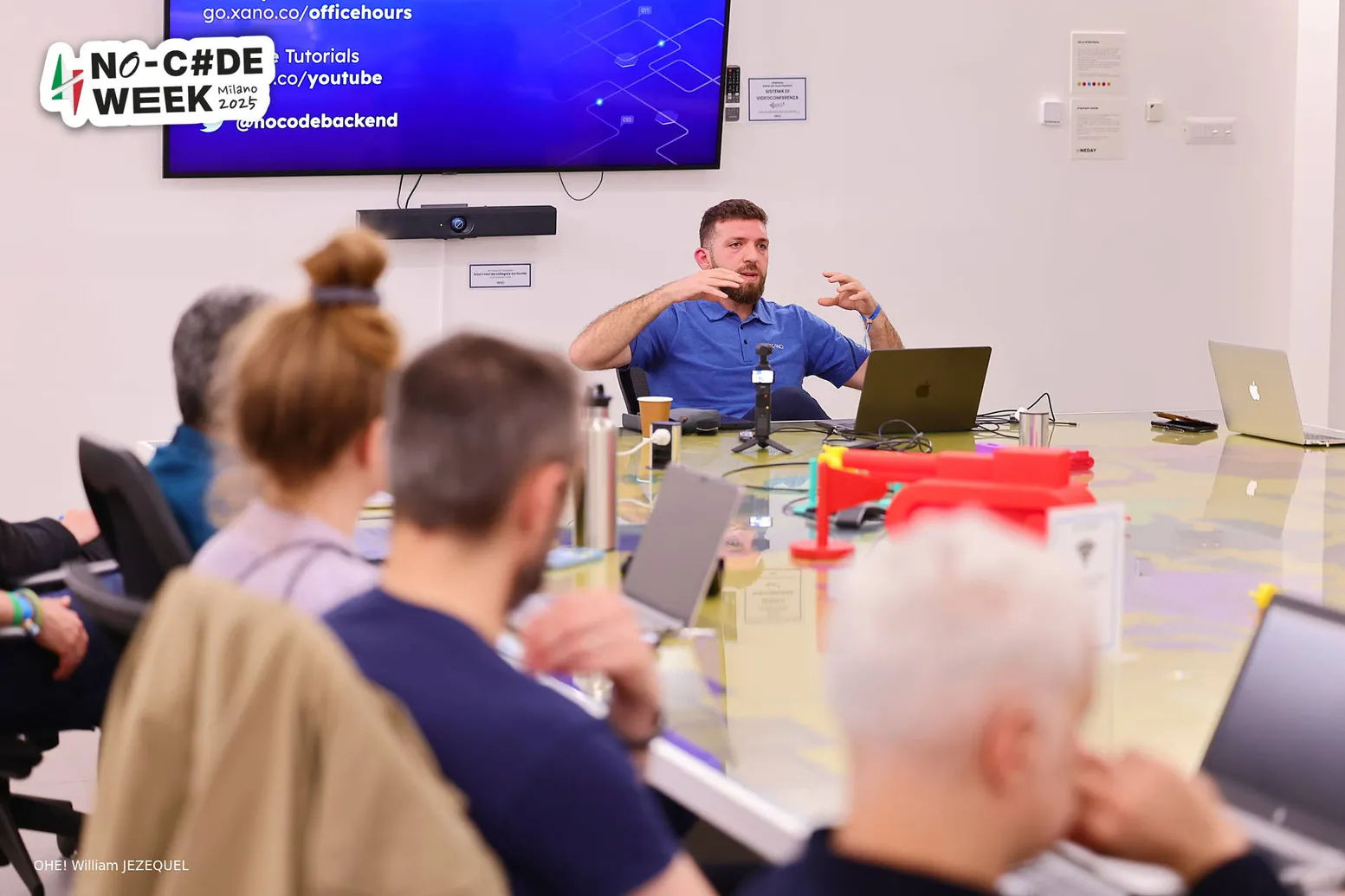
Daniel Petro leading strategic discussions

How I Operate

I operate at the intersection of product, engineering, and leadership—connecting dots, making decisions, and raising standards across the organization.

My role isn't defined by a title. It's defined by system-level impact: influencing product direction, establishing technical patterns, improving developer culture, and ensuring AI is introduced thoughtfully and safely.

System-Level Impact

Align Product, Engineering, and UX

I translate between business goals, technical constraints, and user needs—ensuring teams move in the same direction.

Establish Patterns and Standards

I create frameworks and best practices that teams can follow consistently, reducing decision fatigue and improving quality.

Influence Strategy Without Bureaucracy

I shape direction through trust and expertise, not through layers of approval processes or politicking.

Improve Developer Culture

I foster environments where engineers can do their best work—through better tooling, clearer processes, and empathetic leadership.

Introduce AI Thoughtfully

I ensure AI features are not just powerful, but trustworthy, maintainable, and aligned with user needs.

Raise the Bar Across Teams

I push organizations to outperform the default—building better products, faster, with higher standards.

Cross-Functional Leadership

My leadership style is rooted in decisive action, empathy, and systems thinking.

I don't wait for permission to improve things. I identify opportunities, propose solutions, build consensus, and execute—whether that's:

  • Redesigning an onboarding flow to improve user trust
  • Architecting a memory system to make AI interactions compound over time
  • Training teams on new backend patterns to reduce technical debt
  • Setting product direction for AI features based on user research and technical feasibility
  • Creating documentation and frameworks that scale knowledge across the organization

My CliftonStrengths—Ideation, Futuristic, Competition, Command, Significance—drive me to lead boldly and focus on work that truly matters.

Why This Matters

Most organizations struggle with AI not because of the technology—but because of misalignment, unclear standards, and lack of strategic direction.

I bridge those gaps. I make sure product, engineering, and users are aligned. I establish patterns that teams can adopt immediately. I lead without adding bureaucracy.

The result? Teams ship faster, with higher quality, and with greater confidence in what they're building.